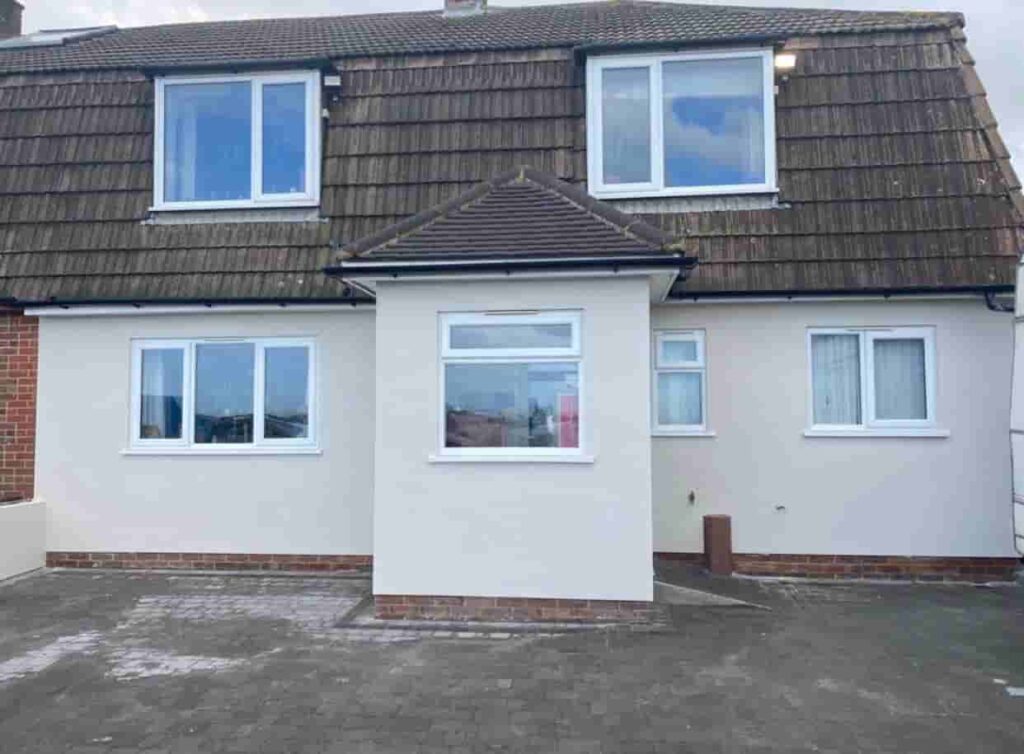
Storms can cause a wide range of roofing problems, from minor tile movement to severe structural damage. For homeowners in Soham, Cambridgeshire, understanding the difference between emergency and non-urgent storm damage repairs is important for protecting the property and preventing roofing issues from becoming worse over time. While some storm-related problems require immediate professional attention, others can be scheduled for repair before they develop into larger concerns.
At Soham Roofing Repairs, we provide professional roof inspections and storm damage repair services designed to keep homes safe, weather-resistant, and structurally secure throughout every season.
How Storms Affect Roofing Systems
Strong winds, heavy rainfall, and flying debris can all place significant stress on roofing materials and structural components. Even modern roofing systems can suffer damage during severe weather conditions.
Common storm-related roofing issues include:
- Slipped or missing roof tiles
- Damaged flashing around chimneys and joints
- Leaking roof sections
- Blocked or damaged gutters
- Loose ridge tiles and mortar
The severity of the damage determines whether repairs should be treated as urgent or non-urgent.
What Counts as Emergency Roof Damage?
Emergency roof repairs are usually required when the storm damage creates an immediate risk to the property or occupants. In these situations, delaying repairs could allow serious structural or water damage to occur quickly.
Emergency roofing problems may include:
- Large sections of missing roofing materials
- Active water leaks entering the property
- Storm damage exposing the roof structure
- Fallen branches causing roof penetration
- Severely loose materials at risk of falling
These situations require prompt professional attention to stabilise and protect the roof.
Why Immediate Repairs Matter
When severe storm damage is left untreated, water can rapidly penetrate the roofing structure and spread throughout the property.
This may lead to:
- Damp loft spaces and ceilings
- Damage to insulation and timber supports
- Internal moisture and mould problems
- Worsening structural deterioration
Fast action helps reduce the extent of damage and prevents additional problems from developing.
What Is Considered Non-Urgent Storm Damage?
Not all storm damage creates an immediate emergency. Some roofing issues are less severe and can be repaired as part of planned maintenance before they worsen.
Non-urgent storm damage may include:
- A small number of slipped tiles
- Minor flashing movement
- Small areas of cracked mortar
- Cosmetic damage to roof surfaces
Although these issues may not require immediate emergency response, they should still be professionally inspected and repaired promptly.
Small Problems Can Become Serious Over Time
One of the biggest mistakes homeowners make is assuming minor storm damage can safely be ignored. Even small defects may gradually worsen with ongoing exposure to rain and wind.
Minor damage can eventually lead to:
- Water penetration beneath roofing materials
- Larger areas of loose tiles or flashing
- Progressive weakening of roof structures
Early repairs are often the most effective way to protect the roof long term.
Storm Damage Is Not Always Visible From Ground Level
Many roofing problems caused by storms are difficult to identify without a professional inspection. Small cracks, lifted flashing, or partially displaced tiles may not be obvious from below.
Professional roof inspections help identify:
- Hidden storm damage
- Vulnerable roof areas weakened by wind
- Early signs of moisture penetration
- Structural issues developing after severe weather
A full inspection ensures no damage is overlooked.
High Winds Often Affect Roof Tiles and Flashing
The most common storm-related roofing damage usually involves roof tiles and lead flashing. Strong winds can gradually loosen materials or create small gaps that allow water to enter.
This may result in:
- Slipped or missing tiles
- Damaged ridge lines
- Loose flashing around chimneys and valleys
- Increased risk of leaks during future rainfall
Routine maintenance helps reduce the likelihood of severe storm damage.
Preventative Roof Maintenance Helps Reduce Storm Risks
While storms cannot be prevented, maintaining the roof properly throughout the year can significantly improve its resistance to severe weather.
Preventative maintenance may include:
- Replacing damaged or ageing tiles
- Checking flashing and roof joints
- Securing loose ridge tiles and mortar
- Clearing gutters and drainage systems
A well-maintained roof is generally more resilient during storms.
Why Professional Storm Damage Repairs Matter
Roof storm damage should always be assessed professionally to ensure the full extent of the problem is identified correctly. Temporary or incomplete repairs may leave the property vulnerable to future weather conditions.
At Soham Roofing Repairs, we provide:
- Professional storm damage roof inspections
- Emergency and non-urgent roofing repairs
- Roof tile and flashing replacement
- Reliable roofing services throughout Soham, Cambridgeshire
Our goal is to help homeowners restore the safety and reliability of their roofs with professional workmanship and dependable service.
Conclusion
Understanding the difference between emergency and non-urgent storm damage roof repairs is important for protecting your property after severe weather. While major leaks and structural exposure require immediate attention, smaller roofing defects should still be repaired promptly before they worsen over time.
For homeowners in Soham, Cambridgeshire, professional roof inspections and timely repairs are essential for maintaining a safe and weather-resistant home. At Soham Roofing Repairs, we are committed to delivering expert storm damage repair services designed to keep properties secure, dry, and structurally protected throughout every season.
Call us on: 01353 881 092
Click here to find out more about Soham Roofing Repairs
Click here to complete our contact form and see how we can help with your roofing needs.