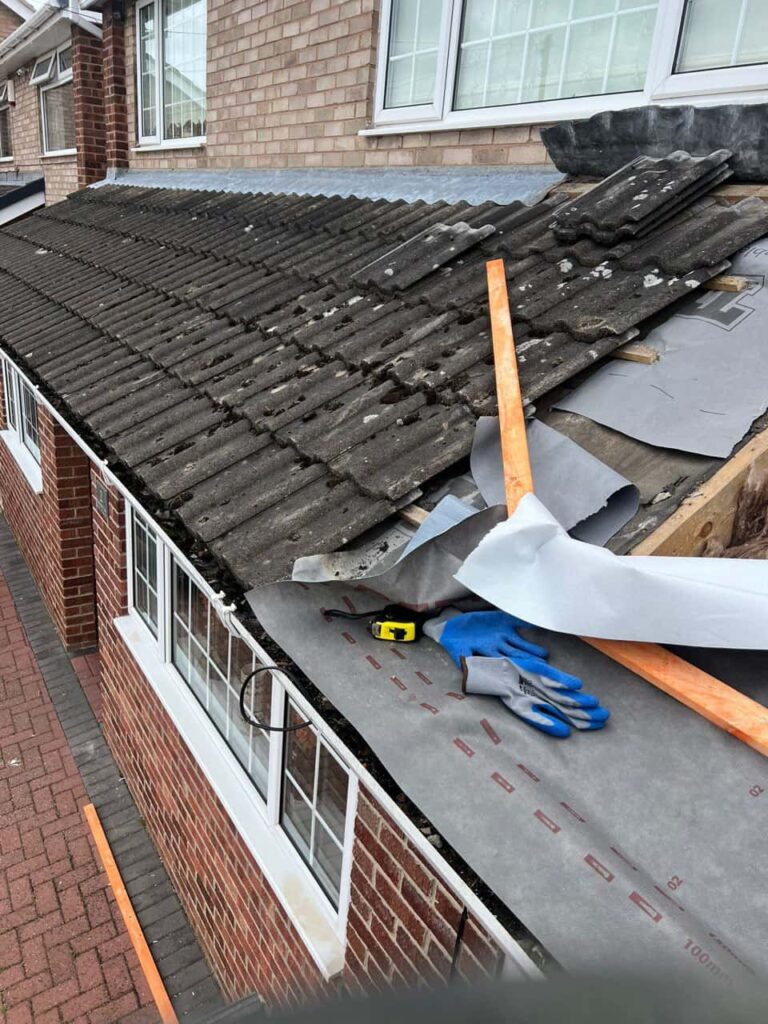
Slate is a durable roofing material, but a slate roof depends on more than the visible covering. Each slate must remain sound, correctly overlapped and securely attached to stable battens. If the slate, its fixings or the supporting components deteriorate, individual pieces can crack, loosen or slide out of position.
For property owners in Soham, Cambridgeshire, a missing slate may appear to be a small defect. However, the resulting gap can expose the underlay and surrounding materials to rainwater. Identifying why the slate failed is therefore just as important as replacing it.
Common Causes of Loose, Cracked and Missing Roof Slates
Slate roof defects can result from natural ageing, weather exposure, accidental damage or problems within the supporting structure. Several causes may also be present at the same time.
A professional inspection should consider the affected slate alongside its fixings, neighbouring materials, battens and underlay. This helps determine whether the problem is isolated or part of wider deterioration.
Corroded Nails Can Cause Slates to Slip
Roof slates are traditionally secured with metal nails. Over time, repeated moisture exposure can cause older fixings to corrode and lose strength.
Once a nail fails, the slate is no longer held securely and may begin sliding down the roof. This process is sometimes called nail fatigue or nail sickness. The slate itself may remain intact even though its fixing has failed.
If several slates of a similar age begin slipping across different areas, the condition of the wider fixing system may need assessment.
Slate Can Become Brittle with Age
Natural slate can remain serviceable for a long time, but its condition varies according to its quality, thickness and exposure. Some slates gradually become softer, more porous or more susceptible to splitting.
Weathering may cause the surface to flake or the material to fracture around its fixing holes. A slate weakened in this way can crack during ordinary temperature changes or routine roof movement without any dramatic event.
Cracks Can Develop Around Fixing Holes
The fixing holes are naturally vulnerable points within a slate. If a nail is driven too tightly, positioned incorrectly or affected by movement, stress can concentrate around the hole.
A fine crack may remain hidden beneath the overlapping slate above. Once the crack reaches the edge, the lower portion can break away or the complete slate may slip.
Replacing the damaged slate correctly is important, but neighbouring slates should also be checked for similar stress.
Strong Winds Can Lift or Displace Slates
Wind can create suction across a roof and exert upward pressure beneath exposed edges. Slates near verges, eaves, ridges and other vulnerable details may experience particularly strong forces.
A slate does not need to be blown from the roof immediately to become damaged. It can lift slightly, strain its fixing and settle back into a position that appears normal from ground level. Later rainfall or further wind may then reveal the weakness.
Impact Damage Can Break Individual Slates
Falling branches, windblown debris and accidental impact can crack or dislodge roof slates. Because slate is strong but relatively brittle, a concentrated impact may fracture it even when surrounding materials remain unaffected.
Impact damage can also weaken a slate without removing it. A fine fracture may gradually open as the roof responds to temperature changes and weather exposure.
Battens Can Deteriorate Beneath the Covering
Slates rely on timber battens for support and fixing. If moisture has caused a batten to soften, split or decay, nails may no longer remain secure.
In this situation, fitting a replacement slate to the weakened timber may not provide a lasting repair. The defective section of batten may need to be exposed and renewed before the covering is reinstated.
Repeated slate movement within the same area can be a sign that the problem lies below the visible roof surface.
Roof Movement Can Disturb Slate Alignment
All roofs experience a degree of movement through temperature changes, moisture variation and normal structural loading. A sound roof is designed to accommodate this movement.
Where fixings have weakened or battens have deteriorated, small changes can disturb the slate alignment. Overlaps may reduce, edges can lift and cracks may develop around fixing points.
Noticeably uneven rows of slates can therefore indicate more than a cosmetic issue.
Poorly Completed Earlier Repairs May Fail
Slate repairs require compatible materials and an appropriate fixing method. A replacement that is too large, too small or incorrectly secured may not sit properly with the existing roof.
Temporary surface fixes can also deteriorate and allow the slate to move again. Previous repair areas should be examined carefully when a leak or displacement returns.
A dependable repair should reinstate the correct overlap and secure the slate without damaging neighbouring materials.
Moss and Debris Can Contribute to Problems
Moss can develop between slate edges and retain moisture against the roof covering. As it thickens, it may slightly lift individual slates or restrict the normal flow of rainwater.
Debris collecting in valleys or around roof junctions can also redirect water beneath the covering. Although organic growth may not be the primary cause of a missing slate, it can worsen existing weaknesses.
Why One Missing Slate Should Be Checked Promptly
A missing slate leaves the materials beneath more exposed. Roofing underlay can provide secondary protection, but it may be aged, torn or damaged around earlier fixing points.
Water entering through the gap can travel along battens, rafters or underlay before appearing inside the property. This means the visible damp patch may be some distance from the missing slate.
The open area can also allow wind to reach beneath neighbouring slates, increasing the likelihood of further movement.
Signs That the Problem May Be Widespread
A broader roof assessment may be appropriate where there are:
- several slipped slates across different slopes
- widespread flaking or surface deterioration
- repeated cracks around fixing holes
- uneven or lifting slate courses
- multiple earlier repairs
- signs of damaged battens
- brittle or torn underlay
- recurring leaks in different locations
- fragments of slate around the property
These symptoms do not automatically mean that the complete roof needs renewal. They indicate that repairs should be planned with the condition of the wider roof in mind.
Conclusion
Slate roofs develop loose, cracked or missing slates when the material deteriorates, fixings corrode, battens weaken or weather places stress on vulnerable areas. Impact damage, roof movement and unsuitable earlier repairs can also contribute.
If you have noticed displaced or damaged slates on your property in Soham, Cambridgeshire, Soham Roofing Repairs can inspect the affected area and determine whether a local repair or broader attention is required. Contact our team to arrange a professional roof assessment.
Call us on: 01353 881 092
Click here to find out more about Soham Roofing Repairs
Click here to complete our contact form and see how we can help with your roofing needs.