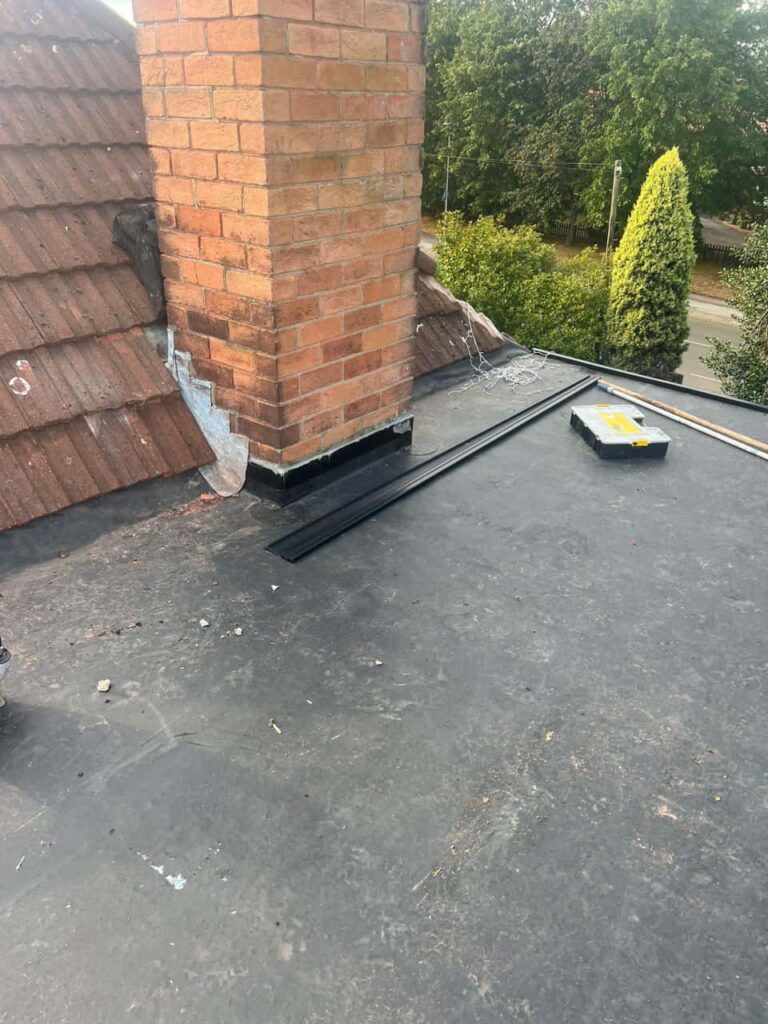
Storm damage can leave a roof vulnerable to further problems, particularly when tiles have been dislodged, flashing has come loose or sections of the roof covering have been damaged. Even a relatively small opening can allow rainwater and wind to enter, potentially affecting roof timbers, insulation, ceilings and other parts of the property.
When permanent repairs cannot be completed immediately, temporary roof coverings can provide valuable short-term protection. For homeowners in Soham, Cambridgeshire, understanding how these protective measures work can help reduce further damage while arrangements are made for proper repairs.
Why Immediate Roof Protection Matters After a Storm
A damaged roof can quickly become more vulnerable when exposed to further rainfall and strong winds. Missing tiles, broken slates and damaged flat roofing materials may leave the underlying structure exposed.
Water entering through these openings can spread beyond the original damaged area. It may soak insulation, affect timber components and create damp patches on internal ceilings and walls. Repeated exposure can make the original problem more extensive.
Temporary protection helps limit the amount of water entering the property while the roof is awaiting permanent attention. Acting promptly after a storm is therefore important, even when the visible damage appears relatively minor.
How Temporary Roof Coverings Work
Temporary roof coverings are designed to shield exposed sections of a roof from the elements. Depending on the extent and location of the damage, suitable protective materials may include heavy-duty waterproof sheeting or specialist temporary coverings.
These materials are positioned over vulnerable areas and secured using an appropriate method. The aim is to create a protective barrier that helps prevent rainwater from reaching the exposed roof structure.
The covering must be suitable for the roof’s shape, the damaged section and the surrounding conditions. Poorly fitted sheeting can become loose in strong winds or allow water to collect beneath it, potentially making the situation worse.
Professional installation helps ensure that temporary protection is properly positioned and provides effective short-term coverage.
Protecting Exposed Roof Timbers and Insulation
When roof tiles or other coverings are displaced, the layers beneath them may become exposed. These can include roofing felt, battens, insulation and structural timbers.
If these components remain exposed to rain, moisture can gradually affect their condition. Wet insulation may lose some of its effectiveness, while prolonged dampness can contribute to timber deterioration and mould growth in affected areas.
Temporary roof coverings help reduce direct exposure to rainfall and give the property a degree of protection until permanent repairs can be carried out. They are particularly useful where storm damage has created openings that cannot be repaired immediately.
Preventing Further Damage Inside the Property
Roof leaks can affect more than the roof itself. Water may travel through the roof space before appearing inside the home, causing staining, dampness and damage to ceilings or walls.
A temporary covering can help reduce additional water ingress while the source of the problem is addressed. However, any water that has already entered the property may still require attention.
Homeowners should also be aware of signs such as new damp patches, dripping water, discoloured ceilings or a persistent musty smell following a storm. These symptoms can indicate that moisture has entered the building and should be investigated.
Why Professional Installation Is Important
Temporary roof protection needs to be carefully planned, particularly where damage affects a large or awkward section of the roof. The condition of the remaining roof covering, the location of the opening and the potential for further movement all influence the appropriate method.
Attempting to access a storm-damaged roof without suitable equipment and experience can be dangerous. Loose tiles, weakened structures and slippery surfaces create additional hazards, especially after wet or windy weather.
A professional roofer can assess the damage, identify exposed areas and determine how temporary protection should be installed. They can also establish what permanent repairs will be needed to restore the roof’s condition.
Moving from Temporary Protection to Permanent Repairs
Temporary coverings are not intended to replace proper roofing repairs. They provide an interim solution that helps protect the property while the damaged materials and underlying components are assessed.
Once conditions allow, the affected roof should be inspected thoroughly. Depending on the findings, permanent work may involve replacing missing tiles, repairing damaged flashing, restoring sections of flat roofing or addressing problems with the underlying structure.
Soham Roofing Repairs can help homeowners understand the extent of storm-related roof damage and identify suitable repair work. Taking a complete approach helps ensure that the original cause of the problem is addressed rather than simply covering the visible opening.
Conclusion
Temporary roof coverings play an important role in protecting properties after storm damage. By shielding exposed sections from rainfall and reducing further water ingress, they help limit additional problems while permanent repairs are arranged.
For homeowners in Soham, Cambridgeshire, acting quickly after roof damage can make a meaningful difference to the condition of the property. If your roof has been affected by strong winds or heavy rain, contact Soham Roofing Repairs for professional assessment and advice on suitable temporary protection and permanent repairs.
Call us on: 01353 881 092
Click here to find out more about Soham Roofing Repairs
Click here to complete our contact form and see how we can help with your roofing needs.